Emily MacLeod, Allison Jardim Gonsalves, Emily Sprowls, Louise Archer
| More 2026 Research Briefs | JRST VOL. 63, NO. 7, PP.609-625 (2026) |
Overview: Science majors in the UK and Canada view school science teaching as separate from science careers. At a time of global science teacher shortages, this divide discourages people who could become science teachers from pursuing the profession.
Audience: College/University Educators | Policymakers | Outreach Specialists | Teacher Educators
Key Points
Potential future science teachers see school science teaching as separate from science. The perceived separation between science and teaching means that those who could become school science teachers choose not to do so. Teaching science is assumed to be enjoyable, but not a legitimate fi rst-choice science career. Teaching-type experiences may support students to value teaching as a potential science career.
INTRODUCTION
Science teacher shortages remain a major challenge in many countries, yet very little research has explored how potential future science teachers view the profession. In this study we combined two existing datasets to examine 10 science majors in England and Quebec, all of whom had expressed an interest in teaching or working with young people. Using interview data collected over a period of two years, we explored how these potential future science teachers viewed science teaching.
FINDINGS
Our study had three main findings. First, participants viewed science teachers as different from scientists, and assumed that science teachers deliver existing knowledge rather than create or advance scientific knowledge. Second, participants described school science as different from “real” science. They felt that school science was restricted by curriculum requirements, and less reflective of the uncertainty, critical thinking, and depth they had encountered in university science. Third, participants assumed that science teaching was fun and enjoyable. While this assumption may appear positive, our analyses highlighted that it carried implications that teaching is less meaningful than non-teaching science careers. Together, our findings suggest that it may be difficult for science majors to imagine themselves pursuing science teaching as a future career.
TAKEAWAYS
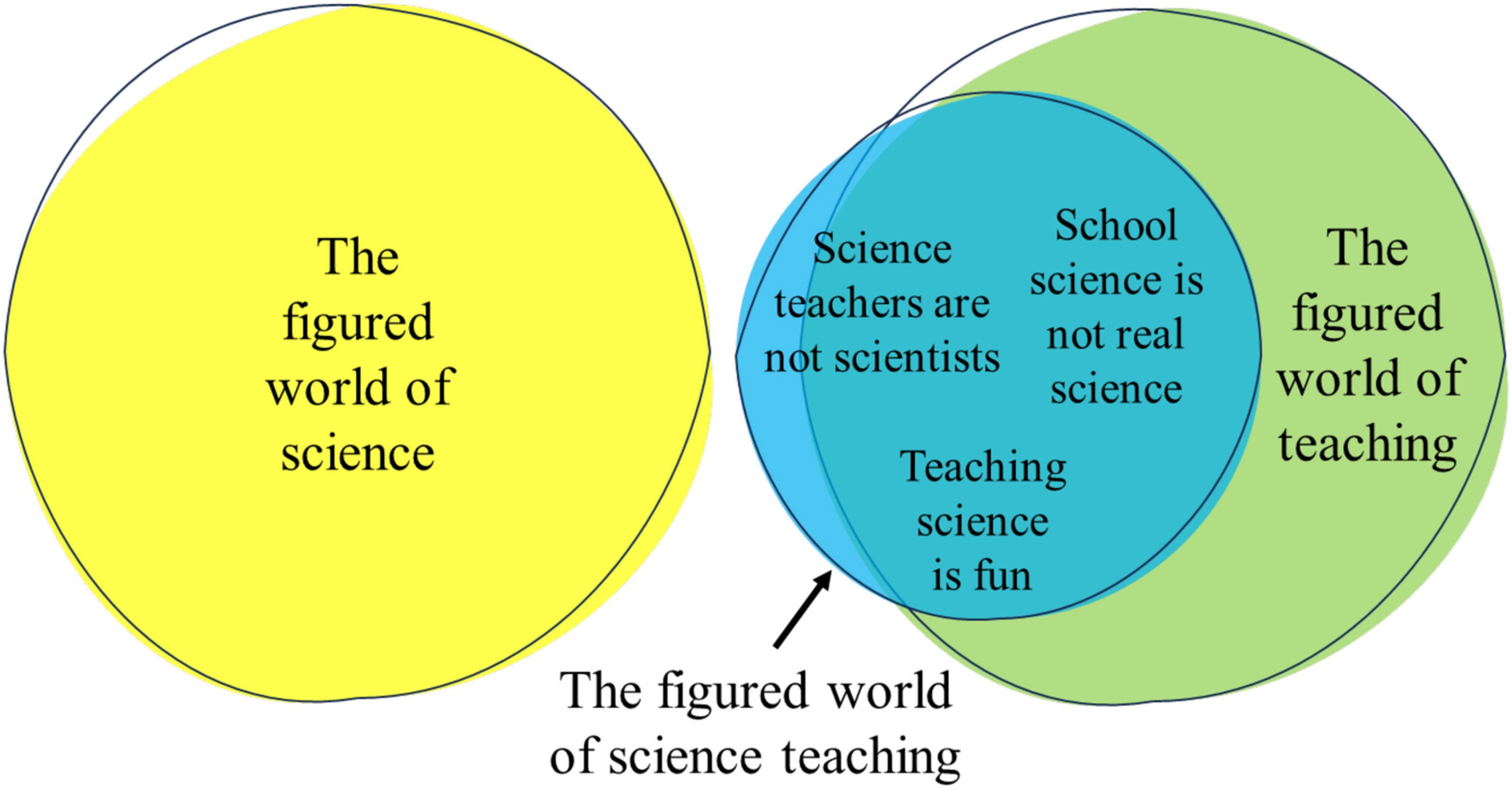 This study highlights the separation of science and science teaching, according to potential science teachers, at a time when many countries need to recruit more science teachers. Our findings indicate that students who strongly identify with science may struggle to imagine themselves becoming science teachers, even when they enjoy working with young people or have positive teaching experiences. To address this challenge, we recommend that universities strengthen connections between science departments and teacher education programs. These connections could help science students learn more about the expertise and professional skills involved in science teaching. We also suggest that greater visibility of science teachers within scientific communities may help to challenge assumptions that teaching is separate from science. Finally, our findings hint at the potential value of providing science students with opportunities to teach informally. ‘Teaching-type’ experiences may help university science majors to see teaching as a meaningful application of their scientific knowledge.
| Attachment | Size |
|---|---|
| RB- MacLeod et al- Emily MacLeod.pdf996.68 KB | 996.68 KB |